
Eco Tourism in Bugoma Forest
Eco Tourism in Bugoma Forest Reserve is evolving ensuring sustainable protection to the forest while supporting close by communities.
Unlike mass tourism, ecotourism enhances low-impact travel, conservation and community involvement. Eco Tourism in the forest offers income opportunities and helps the conservation of the reserve.
Eco-tourism benefits the local communities, who provide guides and also attain benefits of the cost sharing income generated by the collection of activities fees i.e US $5 per entry goes for conservation projects.
Eco Tourism Activities to do in the forest
Eco Tourism in the forest is done specifically to enhance conservation and the activities travelers engage in include;
Chimpanzee Tracking
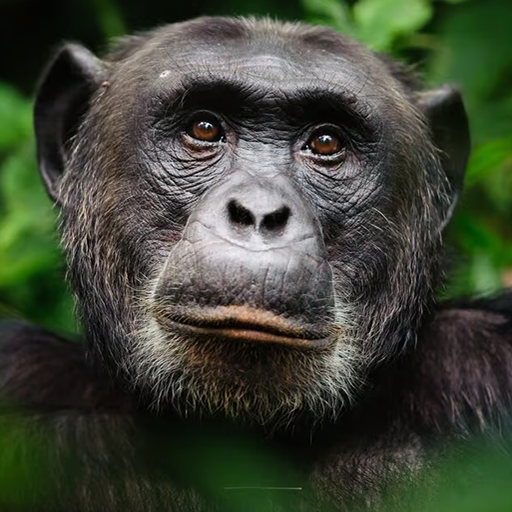
Chimpanzee Tracking is on of the main attractions in the forest offering travelers a chance to track and watch the remarkable Chimpanzees in their natural forest habitat. Visitors track the wild chimpanzees with trained guides.
Guided Nature Walks
Guided Nature Walks with local guides are exceptional to do as you follow varying trails in the forest watching the green terrain, Medicinal plants, Tree species, Forest canopy.
Bird Watching
Bird watching is also amazing to do in the green forest as you watch more than 200 bird species. It is ideal for ideal for eco-tourists and researchers
as there is less environmental disturbance.
Community & Cultural Visits
Eco Tourism is reflected in visiting the close by villages and engage in traditional practices and buying traditionally made crafts
About Bugoma Forest
Bugoma Forest is a 41,144-hectare tropical forest in Western Uganda (Hoima/Kikuube districts) managed by the National Forestry Authority. It was founded in 1932 protecting over 600 chimpanzees, 34 mammal species, and 260+ bird species.
Bugoma Forest includes a medium altitude with and it is largely a semi-deciduous forest with iron wood also referred to the Muhimbi. In the forest are 4 small rivers that drain the vegetation and these include; River Sonso, River Rubwa, Wake and Waisoke. These rivers flow and empty their water into Lake Albert.
Bugoma Forest is a medium-altitude, moist, semi-deciduous tropical forest shaped by moderate rainfall (about 1,200–1,800 mm annually) and elevations between 990 and 1,300 meters. The vegetation of Bugoma is highly diverse with over 220–260 species of trees and shrubs making it one of the richest forests in the region in terms of plant composition. The forest is semi-deciduous in nature i.e some trees shed leaves during dry periods, others remain evergreen creating seasonal variations in the canopy cover.
The forest is typical of tropical moist forests that experience alternating wet and dry seasons. The vegetation is of stratified structure into layers i.e the Emergent layer with Trees that exceed 40 meters and these include; large hardwood species like mahogany, canopy layer (20–30 m) with dominant tree species that control light penetration, Understorey layer with smaller trees and shrubs that adapt to low light, Forest floor which include; Herbs, ferns, seedlings, decomposing organic matter.
From Hoima city, Bugoma Forest is 70kms away and it requires you to drive to the forest reserve from Kampala through Hoima-Fort Portal route and branch off to Kabwoya sub-country then finally Bugoma Forest passing through Kasindi Forest Station.
Getting to Bugoma Forest by Road
Main route from Kampala
Kampala – Hoima (via Kampala–Hoima highway)
Hoima – Kabwoya Sub-county
Getting to Bugoma Forest by Air
Air travel is possible to Bugoma Forest as you get domestic flights which depart from Entebbe International Airport/ Kajjansi Airfield to fly to Hoima Airstrip for about 1 hour to Bugoma Forest.
Tracking is the most prominent safari activity carried out in the park with two communities that have been habituated for trekking by all travelers. This is an alternative to Kibale Forest National Park. The trekking procedure here offers a quieter, less crowded adventure experience.
There are over 500-600 chimpanzees in the forest and these are trekked as you get to be briefed on conduct around the chimpanzees, rules and regulations around the chimpanzees
then later you shall trek the chimpanzees for a period of 2 to 4 hours.
En-route, you watch other primates like the red tailed monkeys, black and white colobus monkeys, Uganda mangabeys. After you shall meet the chimpanzees and stay in their presence taking photos in an hour to keep.
To participate, visitors must obtain a chimpanzee tracking permit which costs US $80 per person interested and this includes; Guided nature walk trek with the chimpanzees.
Best Time to Visit
Dry Seasons in the months of June – August and December – February.
Wet Seasons
In the months of March – May and September – November.